




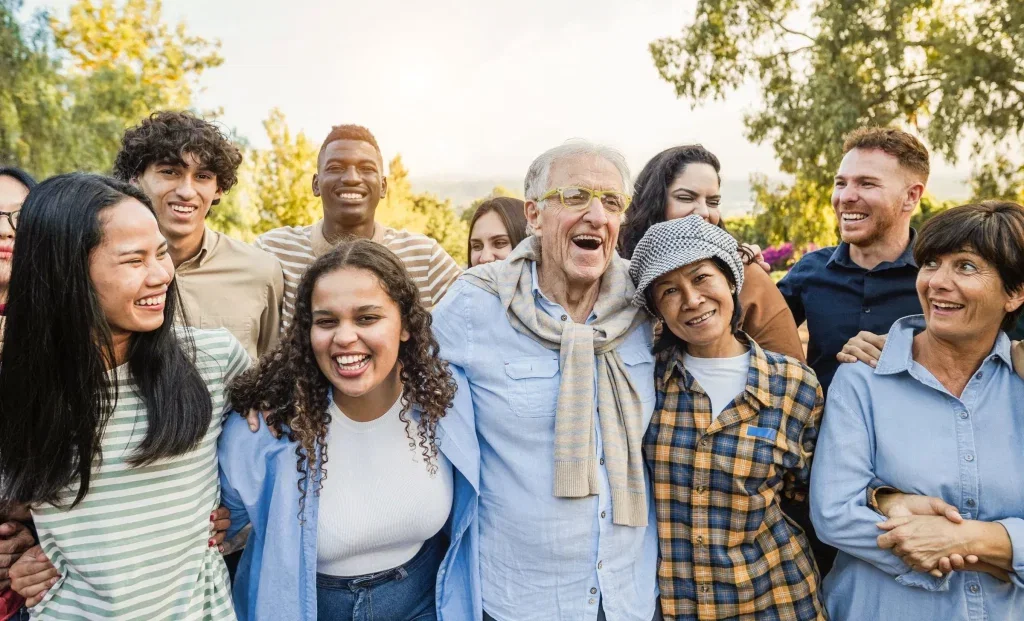
After losing a partner, many widows and widowers find that their social life changes in ways they did not
expect.
Activities that were once shared as a couple may feel unfamiliar alone. Social invitations may become less frequent, and everyday routines can feel different.
Rebuilding a social life after loss takes time, but many widows gradually rediscover friendships, community and connection in new ways.
Understanding the Social Shift
Couples often share a network of friends, family gatherings and regular social activities.
When one partner passes away, these dynamics can shift. Some people may feel unsure how to include
someone who is now attending events alone.
Recognising that these changes are common can help widows approach the situation with patience rather than self-blame.
Reconnecting With Friends
One helpful step is reconnecting with friends individually rather than relying on shared couple-based
activities.
Simple invitations such as meeting for coffee, going for a walk or attending a local event can help rebuild
social connections.
Friendships often become stronger when nurtured in smaller, more personal settings.
Exploring New Communities
Many widows discover new friendships through activities and communities they may not have explored
before.
Examples include:
• hobby groups
• volunteer organisations
• travel clubs
• learning courses
These environments bring people together through shared interests, making conversation easier.
Allowing Connections to Grow Naturally
Rebuilding a social life does not need to happen quickly.
Small interactions and new experiences gradually restore a sense of belonging and confidence.
Over time, these connections often lead to deeper friendships and sometimes new relationships.
A New Social Chapter
Although life after loss may feel different, many widows eventually discover that new friendships and
communities bring unexpected warmth and support.
Rebuilding social connection is an important part of moving forward.
Communities such as Chapter 2 offer opportunities to meet people who understand the journey of loss and are open to companionship again


