




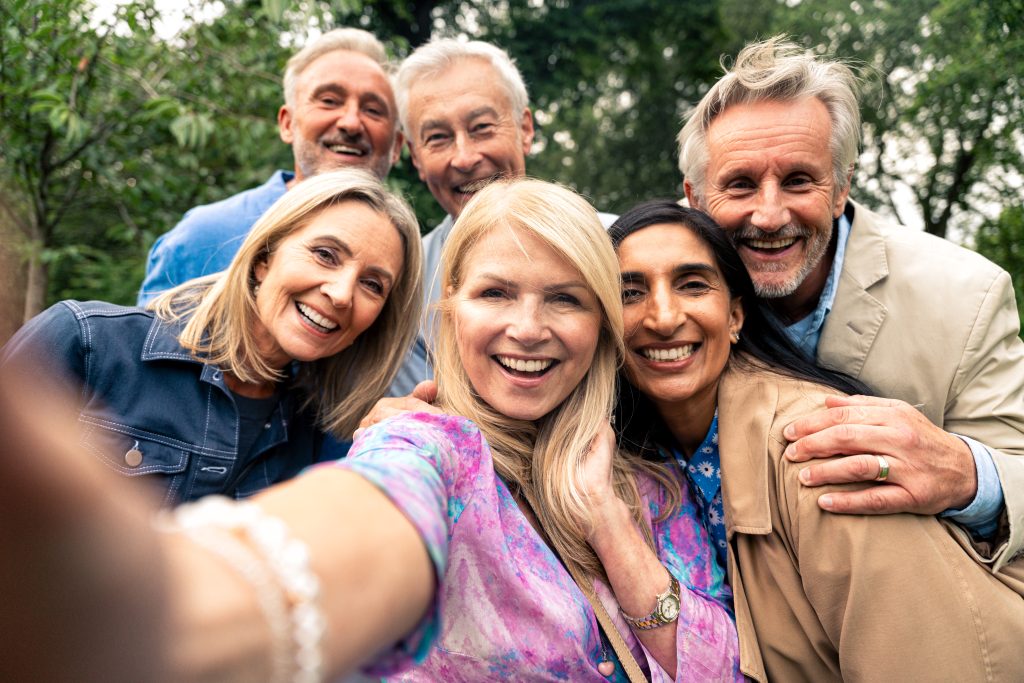
Friendship can become complicated after widowhood, often in ways that are difficult to explain to people who have not lived through it. In the early stages after losing a partner, many widows and widowers are surrounded by people offering support, checking in and promising to be there. Over time, however, those early waves of concern often settle, and daily life can begin to feel much quieter.
This quietness is not only about grief. It is also about the social shape of life changing. When you have spent years or decades as part of a couple, friendship often exists within that shared identity. You may have had couple friends, shared routines, regular social occasions and a natural place in gatherings where everyone knew who you were in relation to your partner.
After loss, that place can feel less certain. Some friendships remain steady and become even more important. Others drift, not necessarily through cruelty, but through discomfort, awkwardness or the simple fact that life continues moving for other people. This can leave widows feeling as though they are not only grieving a partner, but also trying to understand where they now belong socially.
New friendships matter after widowhood because they are not tied only to the life that came before. They do not replace old friendships, and they certainly do not erase the past. Instead, they allow space for the person you are becoming now. They can offer conversation, laughter, shared interests and the gentle reminder that connection is still available in your life.
For Chapter 2, friendship is also an important bridge between life after loss and the possibility of future companionship. Not everyone feels ready to date, and not everyone knows what they want next. New friendships can provide a softer way back into the world, helping widows and widowers rebuild social confidence before they begin thinking seriously about dating or relationships again.
Why Old Friendships Can Feel Different After Loss
One of the hardest parts of widowhood is discovering that some friendships no longer feel the same. This can be painful because it often comes at a time when support is needed most. Widows may find that people they once saw regularly become less present, while others struggle to include them in the same way they did when they were part of a couple.
This does not always happen because people care less. More often, it happens because many people are deeply uncomfortable around grief, loneliness and life transitions they do not understand. They may worry about saying the wrong thing, feel unsure whether to invite someone to couple-based events, or assume that a widow would rather be left alone. The result can still feel like rejection, even when no harm was intended.
There is also the reality that shared couple friendships often rely on a structure that changes after one person dies. Dinner parties, holidays, weekends away and regular social plans may have been built around two people attending together. When that changes, the widow is sometimes left having to renegotiate their place in a friendship group that once felt effortless.
New friendships can help because they are not burdened by the same assumptions. They are formed around who you are now, not only who you were as part of a couple. That can feel freeing, particularly when you are ready to spend time with people who are not constantly comparing your present life with your past one.
Friendship Without Pressure
One of the reasons new friendships are so valuable after widowhood is that they offer connection without the immediate emotional weight of dating. Many widows feel lonely, but that does not automatically mean they feel ready for romance. They may miss having someone to talk to, go out with or share everyday moments with, while still feeling uncertain about the idea of a new relationship.
Friendship allows those needs to be met in a more gradual and comfortable way. It creates opportunities for conversation, shared activity and companionship without requiring anyone to define what it means too soon. This can be particularly helpful for widows and widowers who feel caught between wanting connection and fearing they are not emotionally ready for dating.
New friendships can also help rebuild trust in social situations. After loss, even ordinary interactions can feel unfamiliar. A simple lunch, walk or group activity can become a way of practising being around people again without the pressure of presenting yourself as ready for romance.
This matters because confidence often returns through repetition rather than through one dramatic decision. The more you spend time with people who make you feel comfortable, the easier it becomes to imagine wider forms of connection. For some, that remains friendship. For others, it gradually opens the door to companionship, dating and the possibility of love again.
New Friends See Who You Are Becoming
Widowhood can leave people feeling frozen in the identity others have assigned to them. To some people, you may always be the grieving wife, husband or partner. To others, you may be someone they remember only in relation to the life you had before.
New friends can offer something different because they meet you in the present. They may learn about your past, and your late partner may naturally be part of your story, but the friendship itself is not built entirely around what happened to you. It is built around conversation, shared interests, humour, curiosity and the person you are now.
This can be incredibly important when you are trying to rebuild confidence. Many widows describe a period after loss where they no longer know exactly who they are socially. They may feel less confident, less spontaneous or less sure of what they enjoy. New friendships can gently reflect back parts of the self that may have become quiet during grief.
Spending time with people who know you as you are now can help widen your sense of possibility. You may discover that you still enjoy going out, meeting people, having opinions, laughing loudly or trying new things. These experiences can feel small at first, but together they help rebuild identity beyond loss.
Friendship As A Route Back To Confidence
Confidence after widowhood is rarely rebuilt in isolation. It often returns through doing things that feel slightly uncomfortable, surviving them and realising that you are more capable than you thought. Friendship plays a major role in that process because it creates safe, ordinary opportunities to reconnect with life.
A new friend might encourage you to attend an event you would not have gone to alone. They might introduce you to other people, suggest a weekend activity or simply give you someone to message when you are unsure whether to say yes to an invitation. These small forms of social support can make a significant difference when you are learning how to participate in life differently.
This confidence also matters for dating. Many widows assume they need to feel completely ready before they begin meeting potential partners, but readiness is often built through social connection first. Feeling comfortable in conversation, remembering how to enjoy someone’s company and learning to trust your own instincts again all help create the emotional foundation for dating.
Friendship gives you a way to practise connection without rushing yourself. It allows you to discover what feels good, what feels too much and what kind of people make you feel more like yourself. Those lessons are valuable whether you remain focused on friendship or eventually decide to explore romance.
When Friendship And Romance Overlap
One of the most natural paths into a new relationship after widowhood often begins with friendship. This can feel very different from the idea of dating as a formal process, especially for people who have not dated in many years. Instead of searching for someone immediately, friendship allows connection to develop through familiarity, shared interests and emotional ease.
For many widows and widowers, this slower route can feel safer and more authentic. There is time to understand someone’s character, values and way of communicating. There is also time to notice whether you feel relaxed in their company, which is often far more revealing than whether a first date feels impressive.
Not every friendship should become romantic, and it is important not to treat every new person as a potential partner. However, it is also true that some of the strongest relationships begin when two people first feel comfortable simply being themselves together. Friendship can create the emotional safety that allows something deeper to develop naturally.
This is why friendship belongs firmly within Chapter 2’s view of life after loss. Dating does not always begin with attraction, profiles or formal introductions. Sometimes it begins with conversation, laughter, shared experience and the gradual realisation that you enjoy being around someone in a way that feels meaningful.
How To Make New Friendships After Widowhood
Making friends as an adult can feel awkward, and widowhood can make that awkwardness more noticeable. Many people assume friendship should happen naturally, but adult friendship often requires more intention than it did earlier in life. This is especially true after loss, when old routines have changed and new opportunities may need to be created deliberately.
A good starting point is to focus on environments where connection can happen repeatedly. One-off events can be enjoyable, but friendships usually grow through seeing people more than once. Classes, groups, volunteering, walking clubs, community events and online communities can all provide repeated contact, which gives conversation time to deepen.
It also helps to choose activities that genuinely interest you rather than simply going where you think you should go. When you are engaged in something you enjoy, conversation feels more natural and confidence tends to follow. People connect more easily when they are sharing something real, whether that is a hobby, a cause, a sense of humour or a similar stage of life.
Online communities can also be a helpful route, particularly for widows and widowers who are not yet ready to attend many in-person events. Talking to others who understand life after loss can reduce the feeling of having to explain yourself. Over time, those conversations can become friendships, and in some cases they may also create opportunities for companionship or dating.
Choosing Friendships That Support Your Next Chapter
Not every friendship will be right for the person you are becoming. After widowhood, many people become more aware of the energy they have and the kinds of relationships that genuinely support them. This can be a positive shift, even if it initially feels unsettling.
Good friendships after loss are not necessarily perfect or emotionally intense. They are friendships where you feel able to be honest, where conversation is not constantly forced and where your life is not treated as something awkward or uncomfortable. They are relationships that allow both your past and your future to exist.
This becomes especially important when you begin thinking about dating again. Supportive friends can help you feel less alone in that process. They can encourage you without pushing, listen without judging and remind you that wanting companionship does not mean forgetting your late partner.
The right friendships can also protect you from making decisions out of loneliness alone. When your social world is fuller, dating can become a choice rather than a desperate attempt to fill every gap. That creates healthier foundations for new relationships because you are moving towards connection from a place of openness rather than panic.
A Wider Life Before A New Relationship
One of the most helpful ways to think about friendship after widowhood is that it helps create a wider life before a new relationship. This does not mean friendship is less important than romance. In many ways, it is one of the foundations that allows future companionship to feel healthier and more natural.
When your life includes different sources of connection, a new partner does not have to carry the full weight of your loneliness, identity and social future. That is better for you, and it is better for any relationship that may develop later. It allows dating to become part of life rather than the whole answer to life.
New friendships also remind you that love and connection come in many forms. There is the friend who makes you laugh when you thought you had forgotten how. There is the person who invites you somewhere new. There is the group where you realise, slowly and quietly, that you belong.
For widows and widowers, these moments matter. They are not small consolation prizes on the way to dating. They are part of rebuilding a life that has room for friendship, companionship, confidence and, when the time feels right, the possibility of love again.


